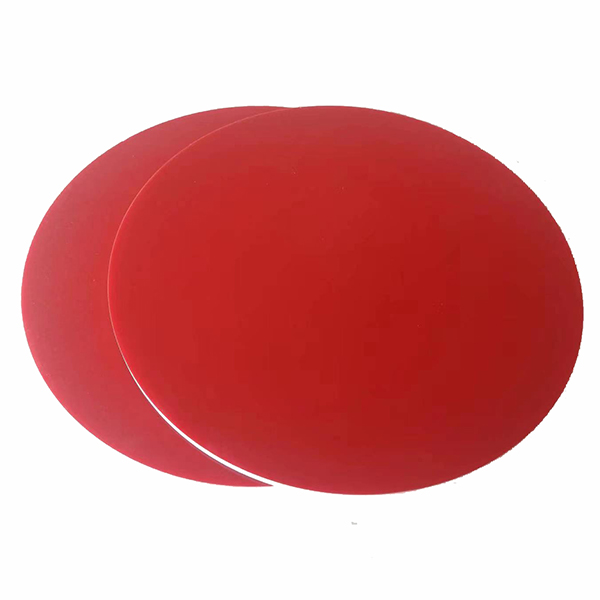
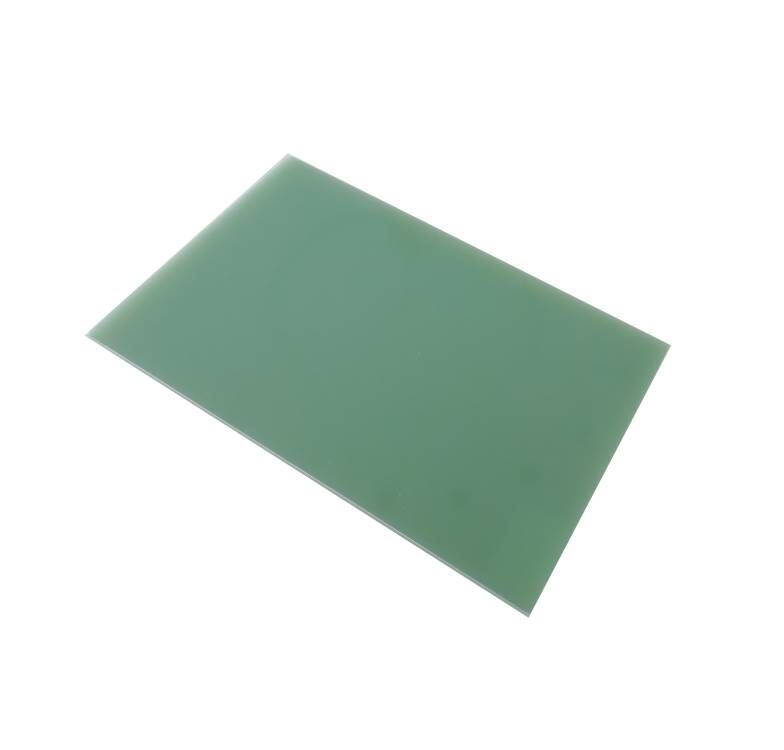
**China's Insulation and Electrical Insulating Materials Industry Sees Significant Advancements**In recent years, China's insulation and electrical insulating materials sector has witnessed remarkable growth and innovation, positioning the nation as a global leader in this critical industrial field. As the demand for energy efficiency, renewable energy applications, and advanced electrical infrastructure continues to rise, companies specializing in insulation materials are playing an increasingly pivotal role in supporting sustainable development and technological progress.**Industry Overview**China's insulation and electrical insulating materials industry encompasses a wide range of products designed to improve energy conservation, enhance electrical safety, and ensure the durability of electrical equipment. These materials include thermal insulation for buildings, electrical insulators for power transmission, and specialized compounds used in transformers, motors, and other electrical devices.The rapid urbanization and industrialization across China have fueled robust growth in construction and manufacturing sectors, both of which rely heavily on advanced insulation solutions. Moreover, government policies promoting green energy and the modernization of the power grid have further stimulated demand for high-performance electrical insulating materials.**Technological Innovation Driving Growth**A key driver for growth in this sector is the continuous investment in research and development (R&D). Chinese companies are increasingly focused on developing innovative materials that offer superior thermal performance, environmental sustainability, and cost-effectiveness. Recent advancements include eco-friendly insulation composites, high-voltage electrical insulators with enhanced mechanical strength, and materials that exhibit excellent resistance to temperature fluctuations and electrical stress.The incorporation of nanotechnology and smart materials has also opened new frontiers, enabling the creation of insulation products that can adapt to changing environmental conditions or provide real-time monitoring of electrical systems. Such innovations contribute to improving the reliability and efficiency of power distribution networks and electronic devices.**Applications Across Multiple Industries**The application of insulation and electrical insulating materials extends across various sectors. In construction, high-efficiency thermal insulation materials reduce energy consumption for heating and cooling, contributing to lower greenhouse gas emissions and improved indoor comfort. The automotive industry utilizes advanced electrical insulators to support the growing adoption of electric vehicles, ensuring safety and performance in battery systems and electric motors.In the renewable energy sector, insulation materials are critical for the manufacturing of wind turbines, solar panels, and energy storage systems. These materials help optimize energy conversion and protect equipment from environmental degradation, thus enhancing overall system longevity.**Sustainability and Environmental Impact**With increasing awareness of environmental issues, the insulation industry in China is embracing sustainability as a core principle. Manufacturers are adopting greener production processes, utilizing recyclable and non-toxic raw materials, and developing products that contribute to energy conservation. These efforts align with China's broader goals to reduce carbon emissions and transition towards a low-carbon economy.Additionally, the safe disposal and recycling of insulation materials are gaining attention, with initiatives aimed at minimizing waste and promoting circular economy practices. Industry stakeholders are collaborating with regulatory bodies to establish standards and guidelines that ensure environmental compliance and workplace safety.**Market Outlook and Future Prospects**The outlook for China’s insulation and electrical insulating materials industry remains positive, supported by strong domestic demand and expanding export opportunities. The ongoing infrastructure upgrades, particularly in power grids and transportation networks, provide substantial growth avenues. Furthermore, the global push for energy-efficient technologies and electrification is likely to sustain the appetite for advanced insulation products.Key challenges include the need to balance cost pressures with technological innovation and to navigate international trade dynamics. However, the sector’s commitment to R&D, quality improvement, and sustainability positions it well to overcome these hurdles.**Conclusion**China’s insulation and electrical insulating materials sector is at the forefront of industrial innovation and sustainability efforts. By delivering high-performance products that meet evolving market needs, this industry not only supports national economic development but also contributes significantly to global energy efficiency and environmental protection goals. Continued investment in technology, adherence to ecological standards, and strategic market expansion will be crucial for maintaining and enhancing China’s leadership in this vital field.---*Note: The company-specific details mentioned in {} were not provided and therefore have not been included in this news article.*
Read More