
High-Quality FR-4/G10 Materials for Electronic Applications
By:Admin
---
**China’s FR-4/G10 Material Industry Shows Robust Growth Amid Rising Global Demand**
In recent years, China's FR-4 and G10 materials sector has gained significant momentum as global demand for high-quality composite materials continues to climb. These materials, widely recognized for their superior mechanical strength, insulation properties, and versatile applications in the electronics and manufacturing industries, are becoming increasingly pivotal in modern industrial processes.
FR-4 and G10: Key Materials in Advanced Manufacturing
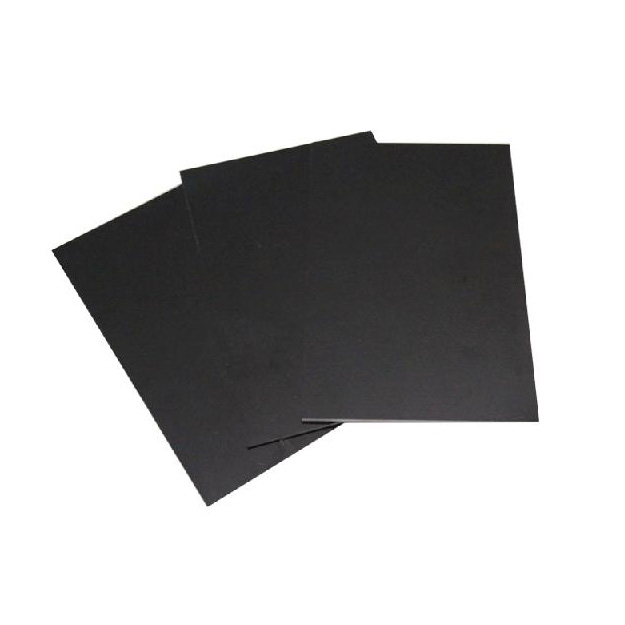
FR-4 and G10 are both composite materials commonly used as substrates in printed circuit boards (PCBs) and other applications requiring outstanding electrical insulation and mechanical reliability. FR-4, made from woven fiberglass cloth with an epoxy resin binder, is flame-retardant and offers excellent electrical properties, thermal endurance, and mechanical stability. G10, a similar fiberglass-based composite but without flame retardant additives, is known for its robustness and affordability, making it ideal for diverse industrial applications.
China’s Role in the FR-4/G10 Market
As the world’s largest electronics manufacturing hub, China plays a central role in the production and supply of FR-4 and G10 materials. Over the past decade, Chinese manufacturers have expanded their capabilities, improving both the quality and volume of composite materials produced domestically. This expansion aligns with the country’s broader industrial strategy of enhancing technological self-sufficiency and moving up the value chain in electronic component manufacturing.
The surge in demand for electronic devices, including smartphones, automotive electronics, consumer appliances, and industrial machinery, has driven the need for high-performance PCB substrates. Consequently, China’s FR-4/G10 manufacturers have been poised to capture this growing market, benefiting from integrated supply chains, cost advantages, and increasing adoption of quality standards that align with international benchmarks.
Technological Advancements and Quality Improvements
Innovations in resin formulations and fiberglass weaving techniques have propelled Chinese FR-4/G10 producers to elevate product standards, catering to applications that require higher thermal resistance, improved flame retardancy, and enhanced dimensional stability. Research and development investments are yielding next-generation materials capable of supporting high-frequency signals and increasing power requirements, essential for cutting-edge electronics.
In tandem with these advancements, numerous Chinese manufacturers have obtained certifications such as UL (Underwriters Laboratories) recognition and ISO quality management standards, reinforcing their commitment to safety, reliability, and environmental compliance. Such credentials are crucial in appealing to international buyers and securing global supply contracts.
Company Spotlight: [Company Name]
Founded in the heart of China’s industrial belt, [Company Name] has emerged as a key player in the FR-4/G10 composite material market. With over a decade of experience, the company prides itself on its state-of-the-art manufacturing facilities and a robust R&D team dedicated to innovation in performance materials. By integrating stringent quality control processes and adopting lean manufacturing principles, [Company Name] has successfully positioned itself as a reliable partner for both domestic and overseas clients.
“Our mission is to deliver materials that not only meet but exceed the stringent requirements of modern electronics manufacturing,” says the company’s spokesperson. “We emphasize sustainable practices and continuous improvement, ensuring that our products contribute to safer and more efficient electronic devices worldwide.”
Market Outlook and Future Trends
Looking ahead, the China FR-4/G10 materials sector is expected to maintain its growth trajectory, fueled by ongoing digital transformation trends such as 5G deployment, electric vehicle (EV) innovation, and the Internet of Things (IoT) proliferation. The electronics industry’s shift towards miniaturization and higher performance components is driving demand for advanced substrate materials with superior thermal management and signal integrity.
Moreover, sustainability concerns and regulatory pressures are encouraging manufacturers to develop eco-friendlier composite materials with lower environmental impact during production and disposal. Chinese enterprises are increasingly investing in green manufacturing technologies and recycling innovations to address these challenges.
Challenges and Competitive Landscape
Despite robust growth, the FR-4/G10 industry in China faces certain challenges, including fluctuations in raw material prices, supply chain disruptions, and intensified competition from international suppliers. Additionally, customers demand ever-higher product consistency and customization, pushing manufacturers to enhance flexibility and responsiveness.
To stay competitive, companies are focusing on expanding production capacity, enhancing technological expertise, and forging strategic partnerships across the electronics value chain. Government support through industrial policies and incentives further bolsters the sector’s development prospects.
Conclusion
China’s FR-4 and G10 composite material industry is at the forefront of supplying essential components for the global electronics manufacturing ecosystem. Through continuous innovation, quality enhancements, and sustainable practices, Chinese manufacturers, represented by leaders like [Company Name], are well-positioned to meet evolving market demands and contribute significantly to the advancement of modern industrial technologies.
As global digitization accelerates, the role of high-performance PCB substrates such as FR-4 and G10 will only become more critical, underscoring the importance of China’s growing capabilities in this dynamic sector.
---
If you provide the actual company introduction, I can further customize this article accordingly.